The global energy landscape is undergoing a major transformation as countries move toward cleaner and more sustainable energy systems. Renewable energy sources such as solar and wind power are expanding rapidly and are becoming essential components of the world’s electricity supply. However, while renewable energy offers significant environmental and economic benefits, it also presents one major challenge: variability. Solar panels generate electricity only when the sun is shining, and wind turbines depend on the availability of wind. Energy storage technologies have emerged as a key solution that could transform the future of clean energy by addressing this challenge.
The Challenge of Renewable Energy Variability
Energy storage systems allow electricity generated from renewable sources to be captured and stored for use at a later time. Instead of allowing excess energy to go unused when production is high, storage systems can retain that energy and release it when demand increases or when renewable generation decreases. This capability is crucial for creating a stable and reliable energy system that can support large amounts of renewable energy.
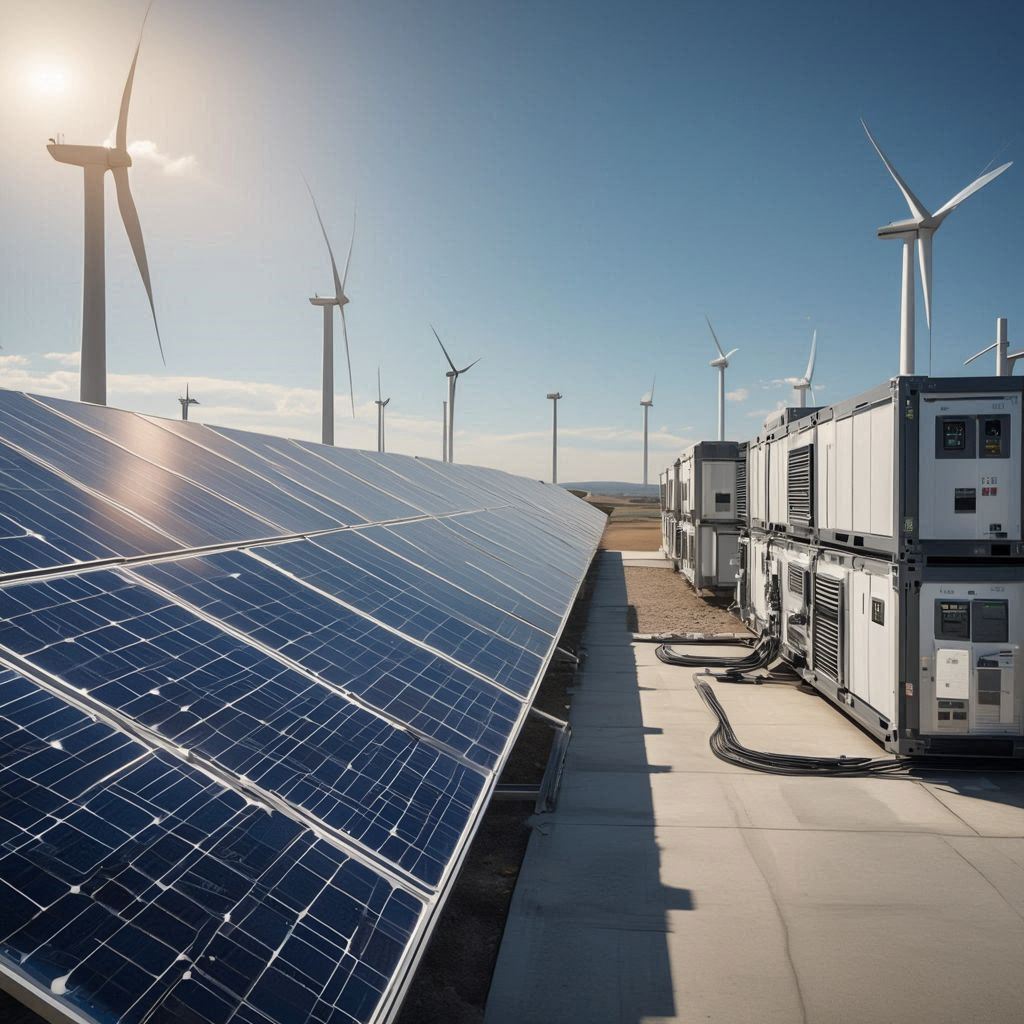
Solar energy is one of the fastest-growing sources of electricity worldwide. Solar panels convert sunlight directly into electricity through photovoltaic technology. During sunny hours, solar installations can generate large amounts of power. However, solar production drops significantly in the evening and disappears entirely at night. Energy storage systems solve this problem by storing surplus electricity produced during the day so that it can be used later when the sun is no longer available.
Wind energy faces similar challenges. Wind turbines generate electricity when wind speeds are sufficient, but wind conditions can change quickly and unpredictably. In some cases, wind farms produce more electricity than the grid can immediately use. Without storage systems, this excess energy may be wasted. With energy storage technologies in place, this electricity can be stored and distributed later when demand increases.
How Energy Storage Supports Solar and Wind Power
Battery storage systems are currently the most widely used form of energy storage. Large-scale battery facilities can store electricity from solar and wind farms and supply it to the grid when needed. Advances in battery technology have significantly improved storage capacity, efficiency, and cost. Lithium-ion batteries, which are widely used in electric vehicles, are also being deployed in large energy storage projects around the world. These systems are capable of responding rapidly to changes in electricity demand, helping to stabilize the grid.
Beyond batteries, several other storage technologies are being developed. Pumped hydro storage, for example, uses excess electricity to pump water to a higher elevation reservoir. When electricity is needed, the water is released to flow through turbines and generate power. Other emerging technologies include compressed air energy storage and advanced thermal storage systems. These innovations expand the possibilities for storing large amounts of energy for longer periods.
Energy storage technologies also make it possible to build more decentralized energy systems. In the past, electricity generation was concentrated in large centralized power plants. Today, renewable energy systems can be installed in homes, businesses, and communities. When combined with local battery storage, these systems allow users to store their own electricity and use it when needed. This approach can increase energy independence and improve resilience during power disruptions.
In addition to improving reliability, energy storage plays a critical role in supporting the expansion of renewable energy infrastructure. Power grids must constantly balance electricity supply and demand. Without storage systems, integrating large amounts of variable renewable energy into the grid becomes much more difficult. Storage technologies provide the flexibility needed to manage these fluctuations and maintain a stable electricity supply.
Battery Storage and the Future of Clean Energy Systems
As governments and private companies continue to invest in clean energy technologies, energy storage is expected to become one of the most important components of the future energy system. Continued innovation will likely lead to more efficient, scalable, and affordable storage solutions that support the widespread adoption of renewable energy.
In conclusion, energy storage technologies have the potential to transform the future of clean energy. By enabling solar and wind power to be stored and used when needed, storage systems address one of the biggest challenges facing renewable energy today. As technology advances and costs continue to decline, energy storage will play an essential role in building a cleaner, more resilient, and more sustainable global energy infrastructure. future of sustainable power.
Learn more about our clean energy technology project:
https://green.yourspiritualquest.com